
Call Us: (212) 262-2412
Polycystic Ovary Syndrome Specialist in New York City, NY
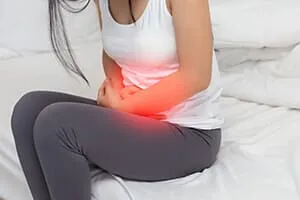
If you have been diagnosed with Polycystic Ovary Syndrome (PCOS), Manhattan Integrative Medicine will help you understand the condition, your concerns, and your options for resolving symptoms and enjoying a healthy lifestyle.
What is PCOS?
The name itself, polycystic ovary syndrome, offers clues about this condition first described in modern medical literature back in the 1930s, by American gynecologists Irving Stein, and Michael Leventhal.
PCOS is a common endocrine disorder that owes its name to clusters of pearl-sized, fluid-filled cysts found within the ovaries of women suffering the condition.
Also called Stein-Leventhal syndrome, the word “syndrome,” is critical for understanding PCOS. A syndrome is a collection of symptoms related to a condition. At present, the underlying cause of PCOS, thought to be both genetic and environmental, is not clear.
PCOS affects approximately one in seven women of reproductive age in the United States.
Symptoms commonly associated with Polycystic Ovary Syndrome
As a syndrome, PCOS is associated with a host of symptoms that you may experience. Those symptoms include:
- Cysts: PCOS often leads to enlarged ovaries holding small cysts containing fluid. Not all women with PCOS have ovarian cysts, and not all women with ovarian cysts have PCOS. If you have polycystic ovaries, further evaluation can rule in, or rule out, PCOS.
- Hyperandrogenism — excess levels of androgens (or male) hormones — is a defining symptom of PCOS. Research into PCOS suggests an underlying mechanism involving insulin resistance and the production of excess insulin. Rising insulin levels cause an increase in androgen production.
- Other hormonal imbalances: Composed of glands that release hormones into the bloodstream or lymph network, the endocrine system helps regulate physical function through chemical messaging. Endocrine diseases result when an imbalance in the release, transmission, or uptake of these important hormones occurs.
-
Menstrual irregularity: Hormonal imbalance causes
menstrual irregularities in young and adult women. With age, many women
develop regular menstrual cycles. For some that regularity does not
arrive. Partly because of the chronic release of excess male hormones,
ovulatory function is impaired. Instead of the monthly release of a
mature egg, the ovaries create fluid-filled cysts that contain immature
eggs. You may experience menstrual irregularities like:
- Absence of periods for months, or lack of periods altogether
- Intervals between periods that exceed 35 days
- Lengthy menstrual periods that are very light or heavy
- Infertility: Because of interruption of the menstrual cycle by androgens, follicles in the ovary do not mature, and ovulation does not take place. Many women learn of PCOS when they visit their doctor after being unable to conceive. PCOS is also implicated in pregnancy complications like gestational diabetes, and higher rates of
- Hirsutism or alopecia: The presence of excess male hormones in women may result in hirsutism, or increased growth of thicker, darker hair on the face, chest, back, and buttocks. Similarly, women with high levels of these hormones may experience androgenetic alopecia, or male-pattern hair loss.
- Acne: In youth, and as an adult, you may experience ongoing bouts with acne as a result of PCOS.
- Skin changes: You may notice changes to your skin as a result of PCOS including thick, darkening patches of skin, dandruff, and skin tags.
- Pain: Pelvic pain is not uncommon among women who suffer from PCOS.
- Inflammation: Women with PCOS may suffer chronic, low-grade inflammation. While inflammation is a normal immune response to injury, long term inflammation is a serious risk factor for heart disease, stroke and other health conditions.
While PCOS can cause infertility, it is also associated with a host of other complications. These conditions, if left untreated, may cause serious illness. Diagnosis and treatment of PCOS is important to deter—or detect—related conditions including:
- Metabolic syndrome: Metabolic syndrome is a constellation of serious health problems that contribute to higher risk of stroke, heart disease, and diabetes. Women with PCOS, especially those who are overweight, may be at risk for metabolic syndrome.
- Cardiovascular disease: The risk of high blood pressure, elevated cholesterol and lipids, and narrowing of coronary arteries is higher for women diagnosed with PCOS.
- Insulin resistance: Women with PCOS are at higher risk for weight gain, and type 2 diabetes. Approximately 50 to 70 percent of women with PCOS experience insulin resistance. Darkening patches of skin seen in PCOS patients may be a sign of increased insulin resistance.
- Sleep apnea: The prevalence of obstructive sleep apnea is higher in women with PCOS. When tissue in the upper airway relaxes, the muscle softening can close or narrow the airway. Incidence of apnea is even higher among women who experience significant weight gain. Undetected sleep apnea can lead to stroke, cardiovascular disease, high blood pressure—as well as daytime fatigue and brain fog.
- Emotional difficulties: Women with PCOS report higher rates of depression, anxiety, and binge-eating. Obesity and increased androgen levels are risk factors for mood disorders in women.
How is Polycystic Ovary Syndrome Diagnosed?

There are three primary indicators of PCOS that include:
- Lack of a menstrual period
- Polycystic ovaries
- Clinical confirmation of excess androgens
Because there is no definitive test for PCOS, diagnosis comes by way of excluding other conditions that could be responsible for your symptoms. Risk factors for PCOS include a family history of diagnosed PCOS, irregular periods, or diabetes.
To evaluate for PCOS, you are likely to receive services such as:
- Medical history and physical examination
- Pelvic examination
- Bloodwork
- Ultrasound
Conventional and Alternative Treatments for PCOS
Although there is no cure yet for polycystic ovary syndrome, there are conventional and alternative treatment options available for you to consider.
Conventional PCOS Treatments
Conventional medical treatments for symptoms of PCOS include:
- Weight loss: Because PCOS affects the endocrine system, weight gain—and difficulty with weight loss—are common complaints. Reducing weight and increasing physical activity is a necessary first step when you receive a PCOS diagnosis. Weight loss may restore healthy hormone levels and help regulate the menstrual cycle, reduce insulin resistance and acne, and slow unwanted hair growth. Increased exercise also reduces mood swings, depression, and anxiety.
- Eat smart: Weight loss and diet modification go together. Work with your physician, and a trained nutritionist, to find the right mix of foods to help you lose weight, and feel good. Consider limiting junk and processed foods in favor of whole food products, vegetables, lean meats, good fats, and other healthy choices.
- Medications: There are a number of medications to assist management of PCOS. Along with weight management, oral contraception is a frontline medication for treating the symptoms of PCOS. Birth control pills help to regulate the menstrual cycle, reduce androgen production, and may reduce related symptoms, like acne, and excessive hair growth. There are also medications and topical creams that address hair growth, and hair loss. If you are trying to conceive, your physician may suggest medication to help you ovulate. To avoid metabolic syndrome, type 2 diabetes, and other serious conditions related to PCOS, you may be prescribed medication used to manage diabetes, such as metformin (Glucophage).
- Surgery: In order to induce ovulation, your doctor may talk to you about a procedure called ovarian drilling. This laparoscopic procedure punctures the polycystic ovary several times. The resulting damage to the ovary usually results in a lowering of testosterone (androgen) levels, and restores a regular menstrual cycle for a period of time.
Because PCOS is complicated, many women choose an integrated approach of both conventional and alternative methods to manage their symptoms. While PCOS is a common disorder, its expression in each woman is as individual as the woman herself.
When looking for medical help, seek a practice group ready to treat your case as unique—while offering you the services of a team.
Alternative PCOS Treatments
There are several alternative approaches to PCOS, including:
- Acupuncture: As a complementary and alternative medicine (CAM), studies suggest acupuncture may reduce excessive production of androgens, relieve pelvic pain, and increase menstrual regularity.
- Herbs: For women seeking alternatives to conventional pharmaceuticals, herbs may be helpful for the symptoms of PCOS. Botanicals used to treat the syndrome include Chasteberry (Vitex agnus-castus), Licorice root (Glycyrrhiza glabra), cinnamon (Cinnamomum verum), and others. Unlike conventional drugs, herbal extracts and remedies are not regulated. You should work with a knowledgeable practitioner who can recommend a plan of safe, non-adulterated herbs and supplements. This is not a “do it yourself” project.
-
Nutritional support: An integrative medical
practitioner can offer specific dietary advice for your symptoms. Along
with improving diet, and increasing exercise, nutritional support for
managing symptoms of PCOS may include compounds like:
- Inositol
- Myo-inositol
- Magnesium
- B vitamins and other vitamin preparations
- Amino acids
- Probiotics
- Stress management: Reducing stress and managing moods is a crucial step toward wellbeing. Practices like yoga, tai chi, meditation, breathing techniques, massage, and other modalities help you maintain calm awareness to navigate your journey with, and through, PCOS.
What is Your Next Step? Talk to Us.
Because of the potential complications of PCOS, take steps now to protect your health. Whether you work with a conventional or integrative medicine practice group—be sure the fit is right for you, your health objectives, and your life.
There are many treatment options available, and combinations of treatments that may work for you. As you take an advocacy role for your own health, it is critical to work with healthcare providers who accompany you every step of the way.
At Manhattan Integrative Medicine, we are committed to healing mind, body, and spirit. You are not alone.
In New York City, contact our office when you have concerns about polycystic ovary syndrome, and integrative treatment options available to you.






Contact Us